
Creating a home that is beautiful, comfortable, and practical requires more than simply choosing attractive furniture. A modern interior designer combines creativity, technical knowledge, and strategic planning to transform living spaces into functional environments that reflect your lifestyle. Whether you’re building a new home, renovating an apartment, or refreshing a single room, professional design expertise can help you maximize your investment while creating timeless interiors.
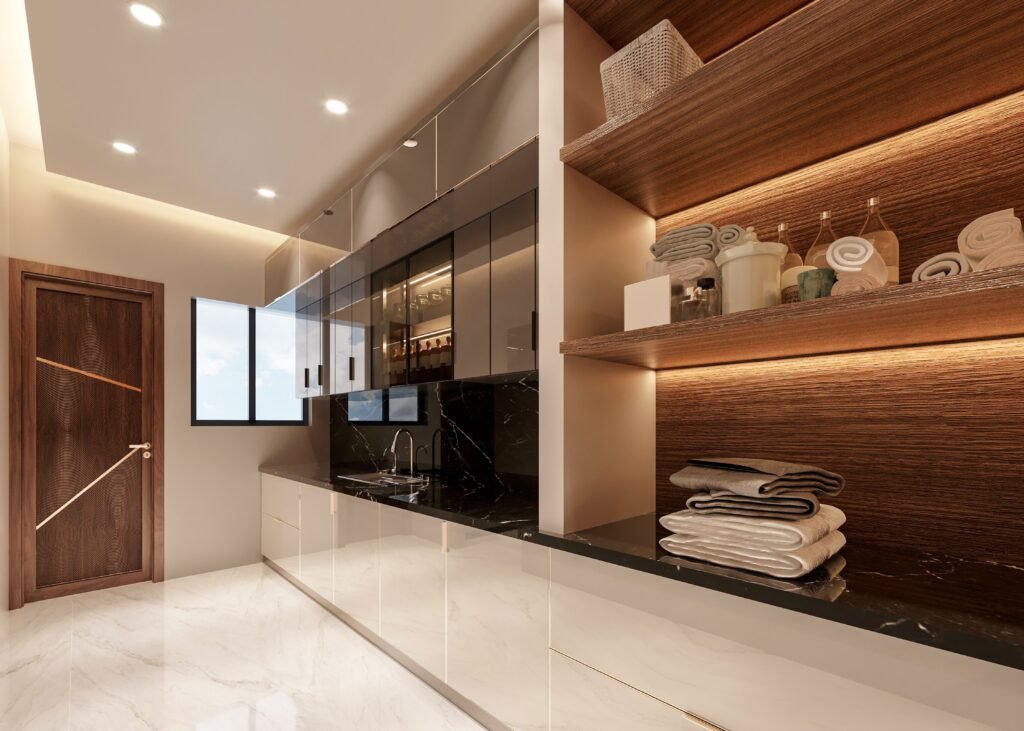
From sleek layouts and neutral palettes to smart technology and sustainable materials, modern interiors continue to evolve with changing lifestyles. This comprehensive guide explains everything homeowners need to know about hiring a modern interior designer, understanding modern design principles, and incorporating the latest trends into every room of the house.
What Is a Modern Interior Designer?
A modern interior designer specializes in creating spaces that balance aesthetics, functionality, and simplicity. Their role extends beyond decoration—they design environments that improve everyday living while maintaining a clean and sophisticated appearance.
Definition of Modern Interior Design
Modern interior design is a design philosophy inspired by clean architectural lines, uncluttered spaces, functional furniture, and minimal ornamentation. It focuses on creating open, organized, and visually balanced interiors using natural materials, neutral colors, and practical layouts.
Unlike decorative styles that emphasize elaborate details, modern interiors prioritize purpose, comfort, and efficiency.
Key Responsibilities of a Modern Interior Designer
A professional modern interior designer performs multiple tasks throughout a project, including:
- Planning space layouts
- Selecting colors and materials
- Designing custom furniture solutions
- Coordinating lighting plans
- Managing contractors and suppliers
- Creating 3D visualizations
- Ensuring projects remain within budget and schedule
Their expertise helps homeowners avoid costly mistakes while achieving a polished final result.
Difference Between Modern and Contemporary Design
Many people confuse modern and contemporary styles. Modern design refers to a specific design movement characterized by simplicity, clean geometry, and functionality. Contemporary design, however, reflects current trends and evolves over time.
While modern contemporary interior design often combines elements from both styles, modern interiors maintain a stronger focus on timeless minimalism, whereas contemporary spaces may incorporate bold accents, curved forms, or evolving color trends.
Why Modern Interiors Are Popular
Modern interiors appeal to homeowners because they create calm, organized environments. Open layouts, clutter-free spaces, abundant natural light, and practical furniture make homes feel larger and more comfortable while remaining easy to maintain.
Benefits of Hiring a Modern Interior Designer
Hiring an experienced modern interior designer provides long-term advantages beyond visual appeal.
Personalized Design Solutions
Every homeowner has unique preferences and daily routines. A designer creates customized layouts that reflect your personality while addressing practical needs such as storage, workflow, and family requirements.
Better Space Planning
Effective space planning improves movement throughout the home while maximizing every square foot. Designers understand how furniture placement, circulation paths, and room proportions affect functionality.
Cost and Time Savings
Professional designers help avoid expensive purchasing mistakes and coordinate vendors efficiently. Their planning reduces delays and prevents unnecessary renovation costs.
Access to Premium Materials and Furniture
Many designers have access to exclusive suppliers, custom furniture manufacturers, premium finishes, and trade discounts unavailable to the general public.
Increased Property Value
Well-designed interiors significantly improve resale value. Buyers are increasingly attracted to professionally designed homes that require minimal upgrades.
Characteristics of Modern Interior Design
Understanding the core characteristics helps homeowners appreciate what makes modern interiors unique.
Minimalist Layouts
Modern homes emphasize simplicity by eliminating unnecessary decorations. Every item serves a functional purpose while contributing to a cohesive overall aesthetic.
Neutral Color Palettes
White, beige, gray, taupe, charcoal, and soft earth tones dominate modern interiors. Accent colors are introduced thoughtfully through artwork, cushions, or decorative accessories.
Removing visual barriers creates spacious living environments where kitchens, dining rooms, and living areas connect seamlessly.
Large windows, skylights, glass doors, and reflective surfaces maximize daylight while creating bright, inviting interiors.
Furniture prioritizes comfort, clean lines, and versatility. Multi-purpose furniture helps maximize smaller homes without sacrificing style.
Modern homes increasingly incorporate automated lighting, climate control, security systems, voice assistants, and energy-efficient appliances.
Eco-friendly materials such as bamboo, reclaimed wood, recycled metal, natural stone, and low-VOC paints support environmentally responsible design practices.
Modern Interior Designer Ideas for Every Room
Each room serves a unique purpose, requiring thoughtful planning and customized design solutions.
Living Room Design
The living room often serves as the centerpiece of the home.
Modern Furniture
Choose low-profile sofas, sleek coffee tables, modular seating, and minimalist shelving to create an uncluttered environment.
Lighting Ideas
Layer ambient, task, and accent lighting using recessed fixtures, pendant lights, and floor lamps for flexibility throughout the day.
Wall Decor
Minimal artwork, textured wall panels, floating shelves, and oversized mirrors add personality without overwhelming the space.
Bedroom Design
A peaceful bedroom encourages relaxation and quality sleep.
Minimalist Bedrooms
Simple furniture, uncluttered surfaces, and soft textures create calming environments ideal for rest.
Storage Solutions
Built-in wardrobes, under-bed storage, and concealed cabinets help maintain clean, organized interiors.
Color Schemes
Soft neutrals, muted greens, warm grays, and earthy tones are popular choices in modern bedroom interior design, promoting relaxation and visual harmony.
Kitchen Design
The kitchen combines efficiency with visual sophistication.
Modular Kitchens
Modular cabinetry improves organization while offering flexible storage configurations suitable for modern lifestyles.
Kitchen Islands
Kitchen islands provide additional preparation space, casual dining, and integrated storage for busy households.
Smart Appliances
Energy-efficient ovens, touchless faucets, smart refrigerators, and connected cooking devices enhance convenience in modern kitchen interior design.
Bathroom Design
Modern bathrooms emphasize simplicity and luxury.
Floating Vanities
Wall-mounted vanities create an illusion of larger floor space while simplifying cleaning.
Glass Showers
Frameless glass enclosures make bathrooms appear brighter and more spacious.
Modern Fixtures
Matte black, brushed nickel, and minimalist chrome fixtures complement contemporary bathroom aesthetics.
Home Office Design
Remote work has increased demand for productive home offices.
Ergonomic Furniture
Adjustable chairs, height-adjustable desks, and supportive seating improve comfort during long work sessions.
Productivity Layouts
Organized workspaces reduce distractions while improving efficiency and concentration.
Lighting Tips
Natural daylight combined with adjustable task lighting minimizes eye strain and enhances productivity.
Modern Interior Design Styles
Modern interiors can incorporate various design influences while maintaining clean aesthetics.
Scandinavian Style
Scandinavian interiors combine functionality with warmth using natural wood, white walls, cozy textiles, and abundant natural light.
Industrial Style
Industrial interiors feature exposed brick, metal accents, concrete finishes, and open structural elements balanced with comfortable furnishings.
Japandi Style
Japandi blends Japanese simplicity with Scandinavian comfort, emphasizing craftsmanship, natural materials, and peaceful environments.
Mid-Century Modern
This timeless style showcases organic forms, tapered furniture legs, warm woods, and iconic furniture pieces.
Contemporary Style
Modern contemporary interior design combines minimalist foundations with evolving trends, allowing homeowners to introduce current materials, textures, and colors while maintaining sophistication.
Minimalist Style
Minimalism focuses on intentional living by removing unnecessary possessions and emphasizing functionality, openness, and visual clarity.
How to Choose the Right Modern Interior Designer
Selecting the right designer greatly influences project success.
Review Their Portfolio
Examine completed projects to evaluate consistency, creativity, and design quality. Look for projects similar to your home’s style.
Check Client Reviews
Online testimonials provide valuable insights into communication, professionalism, reliability, and customer satisfaction.
Understand Their Design Process
Discuss how the designer approaches planning, concept development, revisions, budgeting, procurement, and project management.
Discuss Budget and Timeline
Establish realistic expectations regarding costs, payment schedules, project phases, and completion dates before work begins.
Ask the Right Questions
Ask about experience, certifications, preferred suppliers, sustainability practices, warranties, and post-project support.
Modern Interior Design Trends for 2026
Design continues evolving alongside technology and sustainability.
Earthy Color Tones
Warm terracotta, olive green, sand, clay, mushroom gray, and muted browns create inviting interiors inspired by nature.
Curved Furniture
Rounded sofas, circular coffee tables, curved islands, and soft architectural details bring warmth to minimalist spaces.
Smart Home Technology
Voice-controlled lighting, AI-powered climate systems, automated blinds, and intelligent security systems continue becoming standard features.
Biophilic Design
Indoor plants, natural textures, water features, and large windows strengthen the connection between indoor and outdoor environments.
Sustainable Materials
Environmentally responsible sourcing remains a priority, encouraging recycled materials, renewable resources, and energy-efficient construction.
Multifunctional Spaces
Flexible rooms designed for work, entertainment, exercise, and relaxation reflect changing homeowner needs in modern house interior design.
Common Mistakes to Avoid
Avoiding common design mistakes ensures lasting satisfaction.
Overcrowding the Space
Too much furniture makes rooms feel cramped and reduces visual balance.
Poor Lighting Choices
Relying on a single ceiling light limits functionality and diminishes the room’s atmosphere.
Ignoring Functionality
Beautiful spaces should also support daily routines, storage requirements, and family activities.
Mixing Too Many Styles
Combining unrelated design styles creates visual confusion. Maintain consistency throughout the home.
Choosing the Wrong Colors
Selecting colors without considering natural light, room size, and existing finishes can negatively affect the overall design.
Frequently Asked Questions
What does a modern interior designer do?
A modern interior designer plans layouts, selects materials, coordinates renovations, designs furniture arrangements, and creates functional, visually appealing living spaces.
How much does a modern interior designer cost?
Costs vary depending on project size, location, designer experience, and services provided. Many designers offer fixed packages, hourly consultations, or percentage-based pricing.
Is hiring a modern interior designer worth it?
Yes. Professional guidance often saves money by preventing costly mistakes while improving functionality, aesthetics, and long-term property value.
What is the difference between modern and contemporary interiors?
Modern interiors follow a specific design philosophy emphasizing clean lines and minimalism, while contemporary interiors reflect current trends that continuously evolve.
How long does an interior design project take?
Small room makeovers may take a few weeks, while complete home renovations often require several months depending on project complexity.
Can a modern interior designer work within my budget?
Absolutely. Experienced designers customize recommendations based on your budget while prioritizing high-impact improvements and efficient spending.
Conclusion
Key Takeaways
A professional modern interior designer brings together creativity, technical expertise, and practical planning to create homes that are both elegant and functional. Whether you’re planning modern bedroom interior design, upgrading your modern kitchen interior design, or renovating an entire modern house interior design, thoughtful planning produces lasting results. Incorporating elements of modern contemporary interior design can also help create a timeless home that adapts gracefully to changing lifestyles.
Final Design Tips
Focus on simplicity, functionality, quality materials, efficient layouts, and abundant natural light. Invest in timeless furniture rather than short-lived trends, and prioritize spaces that support your everyday lifestyle.
Get Started with a Modern Interior Designer Today
If you’re ready to transform your home into a stylish, functional, and future-ready living space, partnering with an experienced modern interior designer is one of the smartest investments you can make. With professional guidance, you can create interiors that reflect your personality, maximize comfort, and add lasting value to your property for years to come.