
Introduction
In today’s digital marketplace, customers often decide whether to buy a product within seconds. Since online shoppers cannot physically touch or examine products before purchasing, high-quality visuals play a major role in influencing their decisions. This is where product photography becomes essential.
Product photography is the process of capturing professional images of products to showcase their features, quality, design, and usability. Whether you run an ecommerce store, sell on marketplaces, or promote products through social media, attractive product images help build trust and increase conversions.
From choosing the right product photography setup to using advanced tools like Product photography AI, businesses can create visually appealing images that connect with customers and improve their brand presence.
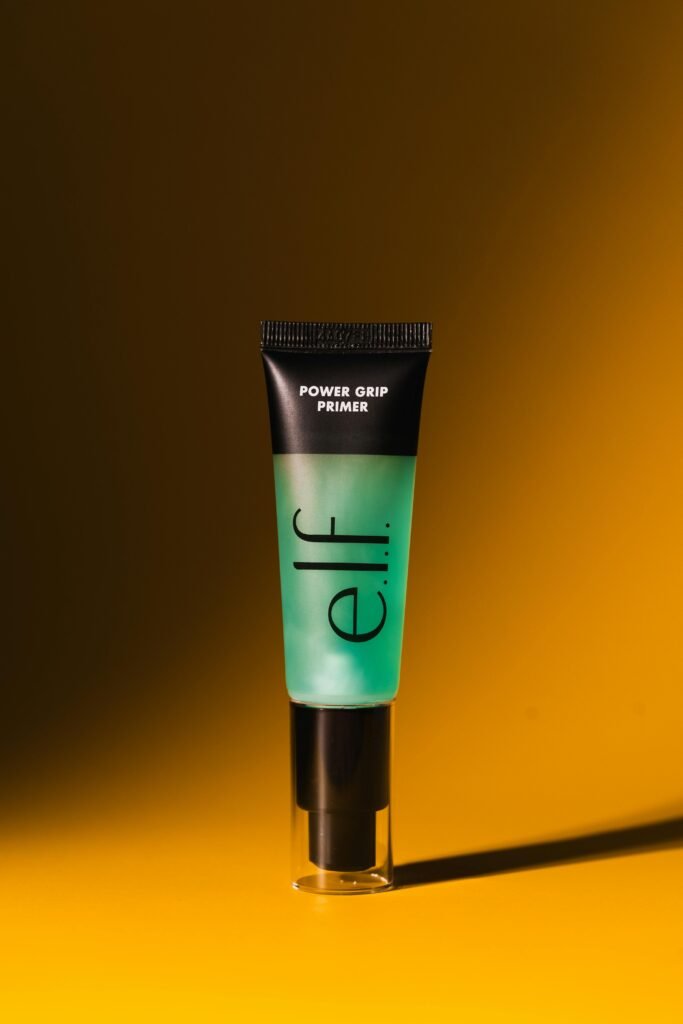
What Is Product Photography?
Product photoshoot refers to the art and technique of photographing products in a way that highlights their best features. The main goal is to create clear, detailed, and visually attractive images that help customers understand what they are buying.
Professional product photos usually focus on elements such as:
- Product details and textures
- Shape and design
- Colors and materials
- Product usage
- Brand identity
For example, an online clothing store requires detailed images showing fabric quality and style, while a food brand needs appealing photographs that highlight freshness and presentation.
Businesses looking for professional services often search for terms like product photoshoot Bangalore, product photoshoot studio, or ecommerce photography near me to find experts who can create high-quality visuals.
Why Product Photography Matters for Businesses
High-quality product images are no longer optional. They have become an important part of digital marketing and ecommerce success.
Builds Customer Trust
When customers shop online, product images become the first interaction they have with a brand. Clear and professional photos create confidence and make customers more comfortable purchasing.
Poor-quality images can make even a great product look unreliable, while professional photography improves credibility.
Increases Sales and Conversions
Good product photos help customers understand the product better. Multiple angles, detailed shots, and lifestyle images answer customer questions and reduce hesitation.
Many ecommerce brands experience better engagement and sales when they invest in professional visuals.
Consistent photography creates a recognizable brand style. The background, lighting, colors, and composition all contribute to how customers perceive your business.
A strong visual identity helps your products stand out in competitive markets.
Different Types of Product Photography
Product photography includes several styles depending on the purpose and industry.
White Background Product Photography
This is one of the most common styles used for ecommerce websites. Products are photographed on a clean white background to keep attention on the item.
Major marketplaces often prefer this style because it creates a consistent shopping experience.
Lifestyle Product Photography
Lifestyle photography shows products being used in real-world situations. It helps customers imagine how the product fits into their daily life.
For example, a furniture brand may photograph a sofa inside a modern home setup.
Flat Lay Product Photography
Flat lay photography captures products from a top-down angle. It is commonly used for fashion, cosmetics, food, and accessories.
Creative arrangements and styling make these images visually appealing.
360-Degree Product Photography
This type allows customers to view products from different angles. It creates an interactive shopping experience and improves customer confidence.
📌 Important Note: 360-Degree Product Photography
360-degree product photography allows customers to view a product from every angle, creating an interactive and realistic shopping experience. It combines multiple images captured around the product to create a smooth 360° rotation view.
This photography style helps customers understand product details, design, and quality before purchasing. It improves customer trust, increases engagement, reduces product returns, and helps ecommerce brands boost conversions.
- Interactive product viewing experience
- Better customer confidence
- Higher ecommerce engagement
- Professional brand presentation
Essential Equipment for Product Photography
You do not need expensive equipment to start, but the right tools can improve image quality.
Camera
A DSLR or mirrorless camera provides professional results. However, modern smartphones with advanced cameras can also work well for beginners.
Tripod
A tripod keeps your camera stable and prevents blurry images. It is especially useful when capturing multiple product shots.
Lighting Equipment
Good lighting is one of the most important parts of photography. Softboxes, LED lights, and reflectors help control shadows and brightness.
Backgrounds
Simple backgrounds such as white sheets, paper rolls, or professional backdrops create a clean appearance.
Product Photography Kit
A basic product photoshoot kit usually includes:
- Mini tripod
- LED lights
- Reflectors
- Background sheets
- Light diffuser
- Camera accessories
These kits are helpful for beginners creating a small studio setup.
How to Set Up a Product Photography Studio at Home
Creating a home studio is easier than many beginners expect.
Choose the Right Space
Select an area with enough room for your product, camera, and lighting equipment. A clean table near a window can work well.
Create a Background Setup
Use plain backgrounds to avoid distractions. White backgrounds are ideal for ecommerce photography because they keep the focus on the product.
Arrange Your Camera
Place your camera or smartphone on a tripod and maintain a consistent shooting angle.
Control Lighting
Position lights around the product to reduce harsh shadows and create balanced images.
A simple product photoshoot setup can produce professional-looking results with practice.
Understanding Product Photography Lighting
Lighting controls the mood, clarity, and quality of your images.
Natural Lighting
Natural light from windows can create soft and realistic product images. It is affordable and beginner-friendly.
Artificial Lighting
Studio lights provide more control and consistency. They allow photographers to maintain the same look across multiple products.
Soft Lighting
Soft light reduces harsh shadows and creates a clean professional appearance. Diffusers and softboxes help achieve this effect.
Product Photography Composition and Styling Tips
Composition determines how attractive your product looks in an image.
Avoid unnecessary objects that distract viewers. The product should always remain the main subject.
Capture front, side, top, and close-up shots to provide complete product information.
For lifestyle images, use props that match the product theme. This creates engaging visuals without taking attention away from the item.
Follow Product Photography Ideas
Some creative product photography ideas include:
- Using seasonal themes
- Adding lifestyle backgrounds
- Showing product usage
- Creating minimal designs
- Using creative shadows
Step-by-Step Product Photography Process
A professional workflow makes photography easier.
Clean the product and remove dust, fingerprints, or packaging issues.
Decide the style, background, lighting, and angles before starting.
Take several photos from different positions to find the best shots.
Check focus, brightness, and product details before finishing.
Improve the images through professional editing software.
Editing and Retouching Product Photos
Editing enhances product images and creates a polished final result.
Common editing tasks include:
- Removing backgrounds
- Adjusting brightness
- Correcting colors
- Improving sharpness
- Removing unwanted objects
Today, Product photoshoot AI tools help automate many editing tasks. AI-powered software can quickly remove backgrounds, enhance details, and create professional-looking images.
However, editing should maintain product accuracy and avoid making images misleading.
Common Product Photography Mistakes to Avoid
Bad lighting can hide product details and reduce image quality.
Dust, scratches, and messy presentation can make products look unprofessional.
Blurry or pixelated images negatively affect customer trust.
Too much editing can make products appear unrealistic.
Customers need different views before making a purchase decision.
Product Photography Tips for Beginners
Beginners can improve their photography skills by following these tips:
- Start with simple equipment
- Practice lighting techniques
- Keep backgrounds clean
- Shoot multiple angles
- Study competitor product images
- Maintain consistency
Experimenting regularly helps develop a better understanding of composition and styling.
Best Practices for E-commerce Product Photography
Ecommerce photography requires images that are clear, accurate, and attractive.
Follow these best practices:
- Use high-resolution images
- Maintain consistent backgrounds
- Show product details clearly
- Optimize image size for websites
- Use multiple images per product
- Keep colors realistic
Good ecommerce photography improves user experience and helps customers make faster buying decisions.
Product Photography Examples and Inspiration
Different industries use photography creatively:
Fashion products often use lifestyle images and detailed fabric shots.
Food photography focuses on freshness, texture, and presentation.
Electronics photography highlights design, features, and product details.
Cosmetic brands use clean backgrounds and premium styling to create attractive visuals.
Frequently Asked Questions About Product Photography
What is product photography used for?
Product photography is used to showcase products through professional images for ecommerce stores, advertisements, catalogs, and social media.
Beginners can create quality images with a simple camera, basic lighting, and a proper product photoshoot setup.
Not always. A home studio can work well for small businesses, but professional studios provide advanced equipment and expertise.
How does AI help product photoshoot?
Product photoshoot AI tools can automate editing, background removal, image enhancement, and creative improvements.
How much does product photographs cost?
The cost depends on the product type, number of images, equipment, editing requirements, and photographer experience.
Conclusion
Product photoshoot is a powerful tool that helps businesses present their products professionally and attract more customers. Whether you are running an ecommerce store or building a brand online, investing in quality images can significantly improve customer trust and sales.
With the right equipment, lighting techniques, creative ideas, and editing skills, beginners can create impressive product photos. Start with a simple setup, practice consistently, and gradually improve your photography process to create visuals that make your products stand out.