
A good cycle tyre can completely change the way your bicycle performs on the road. Whether you ride daily in the city, enjoy long-distance cycling on highways, or prefer adventurous mountain trails, selecting the right tyre plays a major role in comfort, safety, speed, and durability. Many cyclists focus only on the bicycle frame or gears while ignoring the importance of tyres, even though tyres are the only part of the bike that touches the road surface. Choosing the correct bicycle tyre helps improve grip, reduce rolling resistance, prevent punctures, and deliver a smoother riding experience.
Today, the market offers several tyre options including road bike tyres, MTB tyres, hybrid tyres, tubeless bicycle tyres, and even specialised tyres for electric cycles. Riders also search for affordable options such as a fat tyre cycle under 7000 while others prefer premium tyres with advanced traction technology. Understanding tyre types, tyre width, tread patterns, pressure, and bicycle tyre valve types can help you make a smarter purchase decision. This guide explains everything you need to know before buying a cycle tyre for your bicycle.
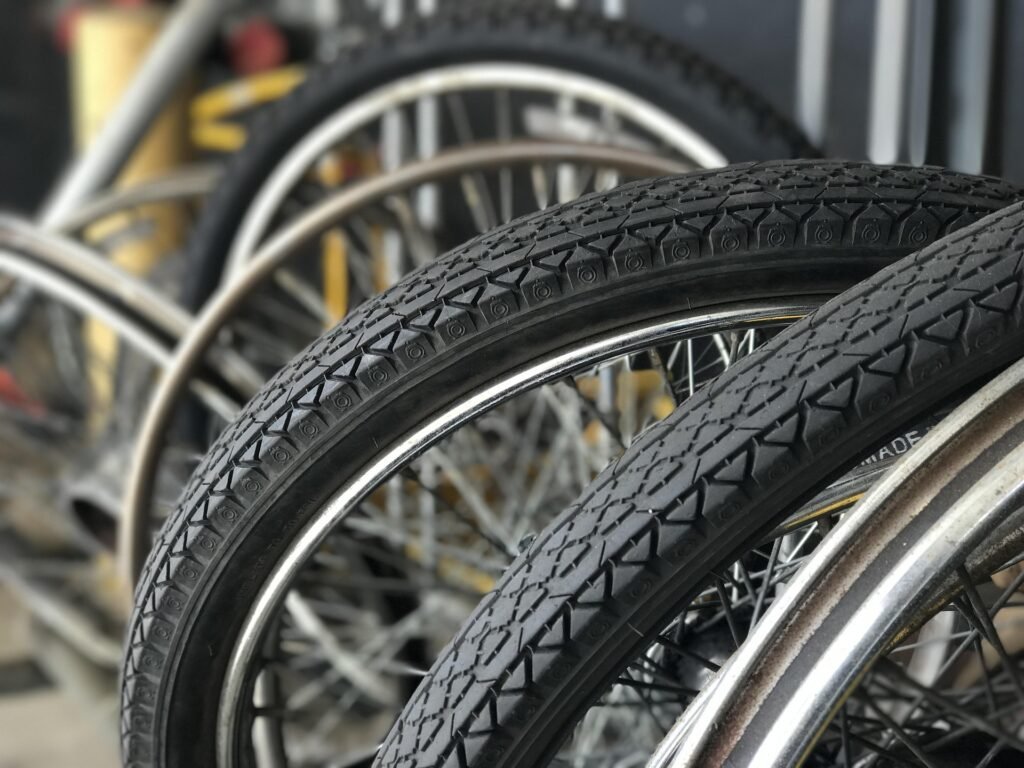
Why Cycle Tyre Matter for Performance
Cycle tyres directly influence the performance of a bicycle because they determine how efficiently power transfers from the rider to the road. A high-quality tyre improves speed, stability, and control while reducing the effort required during riding. Poor-quality tyres may increase friction, wear out quickly, and reduce riding comfort, especially on rough Indian roads. The right bicycle tyre also helps maintain balance during braking and cornering, which is extremely important for rider safety.
Tyres affect the overall riding experience depending on terrain and weather conditions. Wider tyres generally offer better grip and shock absorption, while narrower tyres are designed for speed and smooth surfaces. Riders using a fat tyre electric cycle often experience better stability on uneven roads because the wider tyre spreads the rider’s weight evenly. Similarly, road cyclists prefer slim tyres because they reduce rolling resistance and improve acceleration. Choosing the correct tyre can therefore make cycling easier, faster, and more enjoyable.
Different Types of Cycle Tyre
There are several kinds of cycle tyres available in the market, and each is designed for a specific riding purpose. Road bike tyres are narrow and lightweight, helping riders achieve higher speeds on smooth roads. Mountain bike tyres are wider and come with deep tread patterns for better traction on mud, gravel, and rocky terrain. Hybrid bike tyres combine features of both road and mountain tyres, making them suitable for urban commuting and moderate off-road riding.
Another popular category includes fat tyres that are commonly used in electric bicycles and adventure bikes. A fat tyre electric cycle provides excellent balance and comfort on rough roads, sand, and uneven surfaces. Riders searching for affordable bicycles often look for a fat tyre cycle under 7000 because these bicycles offer stylish looks and stable handling at a budget-friendly price. Apart from these, tubeless bicycle tyres are becoming increasingly popular because they reduce the risk of punctures and improve riding efficiency.
How to Select the Right Tyre Size
Selecting the correct tyre size is essential because the wrong tyre can affect both comfort and safety. Tyre size is usually written on the sidewall of the tyre and includes measurements for diameter and width. Common bicycle tyre sizes include 26-inch, 27.5-inch, 29-inch, and 700C. Riders should always choose tyres that match the wheel rim size recommended by the bicycle manufacturer.
Tyre width also plays a major role in ride quality. Wider tyres provide better cushioning and stability, making them suitable for rough roads and long rides. Narrow tyres are better for racing and smooth surfaces because they reduce drag and improve speed. Cyclists should also consider the frame clearance before upgrading to wider tyres. Understanding tyre measurements helps riders choose a bicycle tyre that delivers better handling, comfort, and performance.
Best Tyres for City, Road & Mountain Bikes
City bicycles require tyres that balance durability, comfort, and puncture resistance. Urban roads often contain potholes, debris, and uneven surfaces, so city tyres should provide sufficient grip and shock absorption. Hybrid tyres are generally considered ideal for city use because they roll efficiently while maintaining stability during traffic riding.
Road bike tyres are designed for speed and efficiency. These tyres are narrow with smoother tread patterns that minimise rolling resistance on paved roads. On the other hand, mountain bike tyres feature aggressive tread designs for maximum traction on trails and off-road terrain. Riders who frequently ride on rough roads or muddy surfaces should select mountain tyres because they provide improved control and stability. Choosing tyres based on riding conditions helps optimise overall bicycle performance.
Common Mistakes to Avoid While Buying
Many cyclists purchase tyres based only on price without checking compatibility, tread pattern, or tyre quality. One common mistake is choosing tyres that are too wide or too narrow for the bicycle rim. Incorrect tyre sizing can lead to poor handling and reduced safety during riding. Riders should also avoid selecting tyres without considering their riding terrain.
Another mistake involves ignoring tyre pressure recommendations. Overinflated tyres reduce comfort, while underinflated tyres increase rolling resistance and puncture risks. Some cyclists also overlook the importance of bicycle tyre valve types, which include Schrader, Presta, and Dunlop valves. Using the wrong valve type may create difficulties during inflation. Understanding these factors can help riders avoid unnecessary expenses and improve riding efficiency.
How to Choose the Best Cycle Tyre for Your Bicycle
Choosing the best cycle tyre depends on your riding style, road conditions, and budget. Riders who commute daily in urban traffic require durable tyres with puncture protection. Long-distance cyclists may prioritise lightweight tyres that improve speed and endurance. Off-road riders should focus on traction and sidewall strength for rough terrains.
Electric bicycles also require stronger tyres because the additional motor weight increases stress on the tyre surface. A fat tyre electric cycle usually benefits from wide tyres that absorb shocks effectively and maintain grip on uneven roads. Riders should compare tyre materials, tread patterns, and durability before making a purchase decision. Investing in the right bicycle tyre improves comfort and extends the life of the bicycle.
Understanding Cycle Tyre Width
Tyre width significantly affects comfort, speed, and traction. Narrow tyres generally range between 23mm and 28mm and are preferred for road cycling because they reduce friction and improve efficiency. Wider tyres, ranging from 35mm to 60mm or more, offer better stability and cushioning on rough roads.
Cyclists riding in cities with damaged roads may benefit from medium-width tyres because they provide a balance between speed and comfort. Fat tyres are extremely wide and are commonly used in adventure bikes and electric cycles. A wider tyre also improves confidence during wet weather riding because it creates a larger contact patch with the road. Understanding tyre width helps cyclists choose the ideal tyre for their riding needs.
Tube vs Tubeless Cycle Tyres
Traditional bicycle tyres use an inner tube filled with air, while tubeless bicycle tyres eliminate the need for a separate tube. Tubeless systems use a sealed rim and tyre combination that holds air directly inside the tyre. One major advantage of tubeless tyres is reduced puncture risk because sealant inside the tyre automatically closes small holes.
Tubeless bicycle tyres also allow riders to use lower air pressure, improving grip and ride comfort. However, tubeless systems are usually more expensive and require careful installation. Tube tyres remain popular because they are affordable, simple to repair, and widely available. Riders should compare maintenance costs, riding conditions, and performance expectations before deciding between tubed and tubeless tyres.
Tyre Grip and Safety Explained
Tyre grip determines how effectively a bicycle maintains contact with the road surface. Good grip is essential for braking, cornering, and riding safely on wet roads. Tread patterns play an important role in traction because they channel water away and improve stability on loose surfaces.
Slick tyres with minimal tread are ideal for smooth roads because they maximise speed and efficiency. Deep tread tyres are better for mountain biking and muddy trails because they provide stronger traction. Tyre compounds also affect grip levels, as softer rubber offers better traction but wears out faster. Riders should choose tyres that match their riding environment for maximum safety and control.
Best Tyre Pressure for Smooth Riding
Maintaining correct tyre pressure improves comfort, efficiency, and tyre lifespan. Low tyre pressure increases rolling resistance and makes pedalling harder, while excessive pressure reduces grip and creates a harsh ride. Most tyres include recommended pressure levels printed on the sidewall.
Road bike tyres usually require higher pressure compared to mountain bike tyres. Wider tyres and fat tyres can operate at lower pressure because they provide better shock absorption. Riders using a fat tyre electric cycle often maintain moderate pressure for improved comfort and road stability. Regularly checking tyre pressure helps avoid punctures and improves riding performance.
Maintenance Tips for Longer Tyre Life
Proper tyre maintenance helps extend tyre lifespan and improve riding safety. Riders should inspect tyres regularly for cuts, cracks, and embedded sharp objects. Cleaning the tyre surface removes dirt and debris that can damage the rubber over time.
Cyclists should also rotate tyres periodically if possible because rear tyres often wear faster than front tyres. Storing bicycles away from direct sunlight prevents rubber deterioration. Maintaining proper inflation and avoiding overloading the bicycle can significantly increase tyre durability. Consistent maintenance reduces replacement costs and improves riding comfort.
Parts of a Cycle Tyre Explained
A bicycle tyre consists of several important components including the tread, casing, bead, sidewall, and inner tube or sealant system. The tread is the outer surface that contacts the road and determines grip levels. The casing forms the main structure of the tyre and influences flexibility and durability.
The bead secures the tyre to the rim while the sidewall protects the tyre from impacts and abrasions. Understanding bicycle tyre valve types is also important because valves are used to inflate the tyre. Presta valves are common in high-performance bicycles, while Schrader valves are typically found on commuter bikes. Knowing tyre components helps riders understand maintenance and replacement needs more effectively.
Signs That Your Cycle Tyre Needs Replacement
Tyres gradually wear out over time, reducing grip and increasing puncture risks. One clear sign of tyre wear is a smooth tread surface with reduced pattern depth. Cracks on the sidewall and repeated punctures also indicate that the tyre has reached the end of its lifespan.
Bulges or uneven wear patterns may suggest structural damage that can lead to tyre failure during riding. Riders should replace tyres immediately if they notice exposed casing threads or severe cuts. Replacing worn tyres on time improves safety and enhances riding performance.
Puncture Prevention Tips
Punctures are among the most common problems cyclists face, especially on poorly maintained roads. Maintaining proper tyre pressure helps reduce puncture risks because underinflated tyres are more vulnerable to pinch flats. Riders should also avoid riding through sharp debris whenever possible.
Using puncture-resistant tyres or tubeless bicycle tyres can provide additional protection against flats. Tyre liners and sealants are also useful for reducing puncture frequency. Regularly inspecting tyres for embedded glass or stones prevents minor damage from becoming major issues.
Best Brands for Cycle Tyres
Several tyre brands are known for producing high-quality bicycle tyres suitable for different riding styles. Brands such as Michelin, Continental, Maxxis, Schwalbe, and CST are popular among cyclists because they offer reliable grip, durability, and puncture protection.
Indian riders also prefer budget-friendly brands that provide value for money without compromising performance. Cyclists searching for affordable options often compare tyres based on tread quality, rolling efficiency, and durability. Choosing a trusted brand ensures better safety and long-term performance.
Budget vs Premium Cycle Tyres
Budget tyres are suitable for casual riders and short-distance commuting because they offer basic performance at affordable prices. However, premium tyres generally provide better rubber compounds, improved puncture resistance, and longer lifespan.
High-end tyres are lighter and deliver superior grip, making them ideal for professional or long-distance cyclists. Riders should evaluate their cycling frequency and road conditions before deciding between budget and premium tyre options. Spending slightly more on a quality bicycle tyre often results in better durability and lower maintenance costs over time.
Final Verdict
Choosing the right cycle tyre is essential for achieving better comfort, speed, safety, and overall bicycle performance. Riders should consider tyre size, width, tread pattern, pressure, and riding terrain before making a purchase. Whether you need durable commuter tyres, high-speed road tyres, or rugged mountain bike tyres, selecting the correct option can completely improve your cycling experience.
Modern innovations such as tubeless bicycle tyres and fat tyre electric cycle technology have expanded the choices available for riders. Budget-conscious buyers looking for a fat tyre cycle under 7000 can also find several reliable options in the market today. Understanding bicycle tyre valve types, tyre maintenance, and puncture prevention methods further helps riders make informed decisions. With the right cycle tyre, every ride becomes smoother, safer, and more enjoyable.