
Introduction
In today’s fast-paced world, stress has become an unavoidable part of everyday life. Endless notifications, long working hours, traffic, and constant digital distractions often leave us feeling mentally exhausted and physically drained. While modern medicine offers treatments for many conditions, one of the most powerful healing tools has always been available to us—nature.
Nature healing is the practice of reconnecting with the natural world to improve physical health, mental well-being, and emotional balance. Whether it’s walking through a forest, listening to birds singing, feeling the warmth of the morning sun, or simply sitting beside a peaceful lake, nature has an incredible ability to calm the mind and rejuvenate the body.
In this blog, we’ll explore the science behind nature healing, its numerous benefits, and simple ways you can incorporate nature into your daily routine.
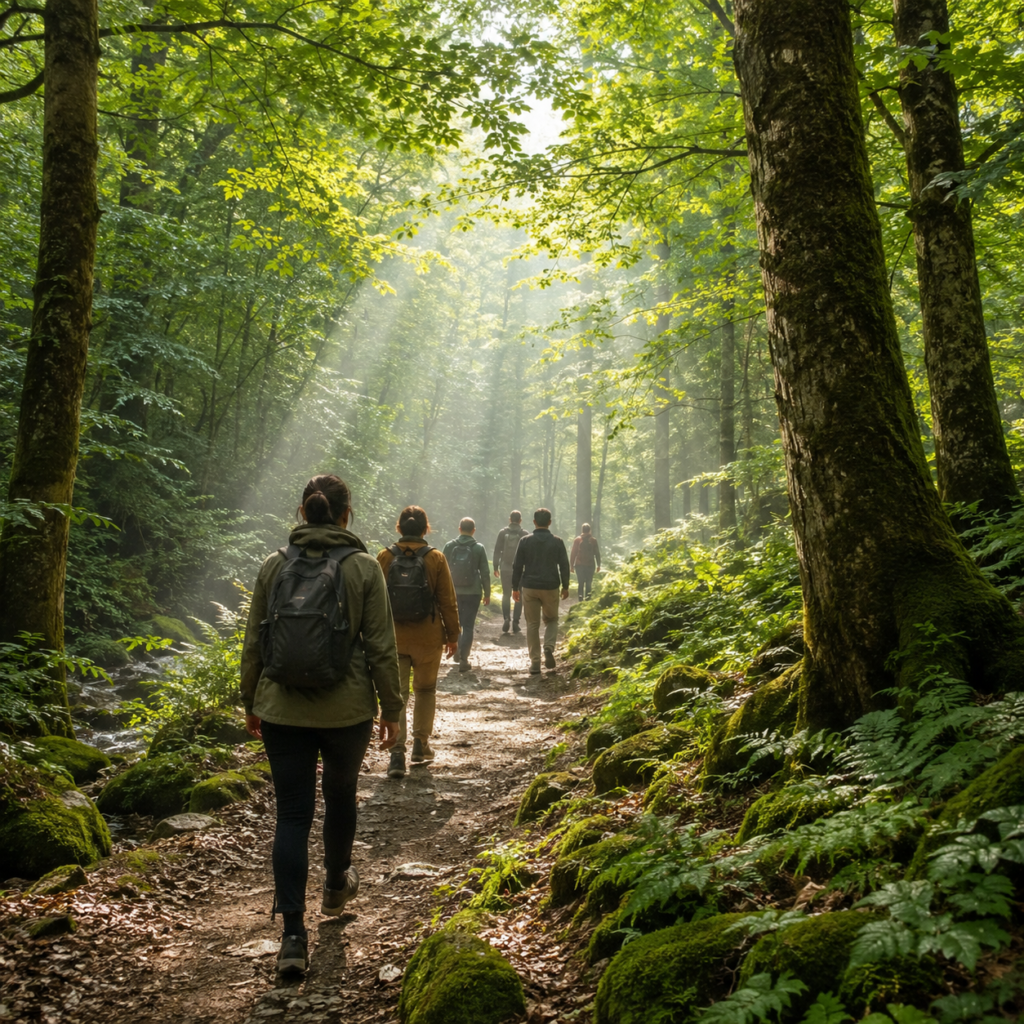
What Is Nature Healing?
Nature healing is a holistic wellness approach that uses the natural environment to promote relaxation, reduce stress, and support overall health. Instead of relying solely on medication or technology, it encourages individuals to reconnect with forests, mountains, beaches, gardens, rivers, and open green spaces.
Nature healing isn’t just about spending time outdoors—it’s about being fully present in the natural environment. It involves engaging your senses, slowing down, breathing deeply, and appreciating the beauty that surrounds you.
The Science Behind Nature Healing
Researchers have found that spending time in natural environments can significantly reduce stress hormones such as cortisol. Exposure to greenery has also been linked to:
- Lower blood pressure
- Reduced anxiety and depression
- Improved immune function
- Better concentration and memory
- Enhanced mood
- Improved sleep quality
Natural environments help activate the body’s relaxation response, allowing both the mind and body to recover from the pressures of everyday life.
Benefits of Nature Healing
1. Reduces Stress Naturally
Nature offers a peaceful escape from daily responsibilities. The sounds of flowing water, rustling leaves, and birdsong create a calming atmosphere that helps reduce mental tension.
Even spending just 20–30 minutes outdoors each day can noticeably lower stress levels.
2. Improves Mental Health
Being surrounded by greenery helps reduce symptoms of anxiety, depression, and emotional fatigue. Nature encourages mindfulness, helping us focus on the present moment rather than worrying about the past or future.
People who regularly spend time outdoors often report feeling happier, calmer, and more optimistic.
3. Strengthens the Immune System
Fresh air, sunlight, and exposure to diverse natural environments can support immune health. Walking in forests and parks allows the body to benefit from cleaner air while promoting healthy circulation.
Sunlight also helps the body produce Vitamin D, an essential nutrient for strong bones and immunity.
4. Boosts Physical Fitness
Nature encourages movement in enjoyable ways.
Activities such as:
- Hiking
- Walking
- Cycling
- Swimming
- Gardening
- Bird watching
help improve cardiovascular health while reducing the feeling that exercise is a chore.
5. Enhances Creativity
Many artists, writers, designers, and entrepreneurs find inspiration in nature.
Natural surroundings reduce mental fatigue and encourage creative thinking by allowing the brain to relax and process ideas more effectively.
6. Improves Sleep Quality
Exposure to natural daylight helps regulate the body’s internal clock.
People who spend time outdoors during the day often experience:
- Better sleep
- Easier bedtime routines
- Improved energy levels
- Reduced insomnia
Different Types of Nature Healing
Nature healing comes in many forms, allowing everyone to find an activity they enjoy.
Forest Bathing
Simply walking through a forest while mindfully observing trees, sounds, and fresh air.
Beach Therapy
Listening to ocean waves and walking barefoot on the sand promotes relaxation.
Gardening
Planting flowers, vegetables, or herbs can reduce stress while providing a sense of accomplishment.
Mountain Hiking
Exploring hills and mountains improves fitness while offering breathtaking scenery.
Nature Meditation
Practicing meditation in a peaceful outdoor setting enhances mindfulness and emotional balance.
Wildlife Observation
Watching birds, butterflies, and other wildlife helps cultivate patience and appreciation for biodiversity.
Simple Ways to Practice Nature Healing Every Day
You don’t need to travel far to experience the benefits of nature.
Here are some simple ideas:
- Take a morning walk in a nearby park.
- Eat lunch outdoors whenever possible.
- Grow indoor plants or herbs.
- Watch the sunrise or sunset.
- Read a book under a tree.
- Spend weekends hiking or camping.
- Listen to natural sounds during meditation.
- Practice yoga in a garden.
- Walk barefoot on grass.
- Disconnect from electronic devices while outdoors.
Small daily habits can have a significant impact over time.
Nature Healing for Children
Children naturally enjoy exploring the outdoors.
Outdoor activities help children:
- Build stronger immunity
- Improve concentration
- Develop creativity
- Stay physically active
- Reduce screen time
- Build social skills
Encouraging children to play outside regularly helps establish healthy habits that can last a lifetime.
Nature Healing for Adults
Adults often spend long hours indoors due to work responsibilities.
Regular exposure to nature can help:
- Prevent burnout
- Improve productivity
- Reduce anxiety
- Increase focus
- Encourage work-life balance
Even short outdoor breaks during the workday can refresh the mind and improve overall performance.
Nature Healing for Seniors
Nature provides gentle physical activity and emotional comfort for older adults.
Walking through parks, gardening, or simply sitting outdoors in fresh air can improve mobility, reduce loneliness, and enhance overall quality of life.
Creating a Nature Healing Routine
You don’t need to completely change your lifestyle.
Try this simple weekly routine:
Monday–Friday
- 20–30 minute outdoor walk
- Deep breathing exercises
- Spend time in sunlight
Saturday
- Visit a botanical garden, lake, or forest
Sunday
- Family picnic or outdoor yoga session
Consistency matters more than duration.
Why Nature Is More Important Than Ever
Modern lifestyles have become increasingly digital.
Many people spend over eight hours each day looking at screens while rarely experiencing natural environments.
Nature healing reminds us that slowing down isn’t wasting time—it’s investing in our physical, emotional, and mental well-being.
Taking even a few moments each day to reconnect with nature can help restore balance in a busy world.
Final Thoughts
Nature has always been one of humanity’s greatest healers. It asks for nothing yet offers countless benefits—from reducing stress and improving mental health to boosting creativity and strengthening physical wellness.
Whether you choose to walk through a forest, relax beside a river, grow a small garden, or simply enjoy the warmth of the morning sun, every moment spent in nature is an investment in your health.
The next time life feels overwhelming, step outside, take a deep breath, and let nature remind you of the peace that has always been there.
Sometimes, the best therapy isn’t found within four walls—it’s found beneath an open sky.
Frequently Asked Questions (FAQs)
Is nature healing scientifically proven?
Many studies suggest that spending time in natural environments can reduce stress, improve mood, enhance focus, and support overall well-being.
How much time should I spend in nature?
Aim for at least 20–30 minutes several times a week. Even short visits to parks or gardens can provide benefits.
Can nature healing help with stress?
Yes. Time spent in nature is associated with lower stress levels, improved relaxation, and a greater sense of calm.
Do I need to visit forests to experience nature healing?
No. Local parks, gardens, beaches, lakes, or even a backyard with plants can provide meaningful benefits.
What are the best outdoor activities for beginners?
Walking, gardening, light hiking, outdoor yoga, bird watching, and mindful sitting in a green space are excellent ways to start.