Start typing to search dynamically...
From the scorching surface of Mercury to the icy winds of Neptune, every planet tells a fascinating story about the universe. Discover how planets formed, what makes each one unique, and why scientists continue searching for new worlds beyond our solar system.
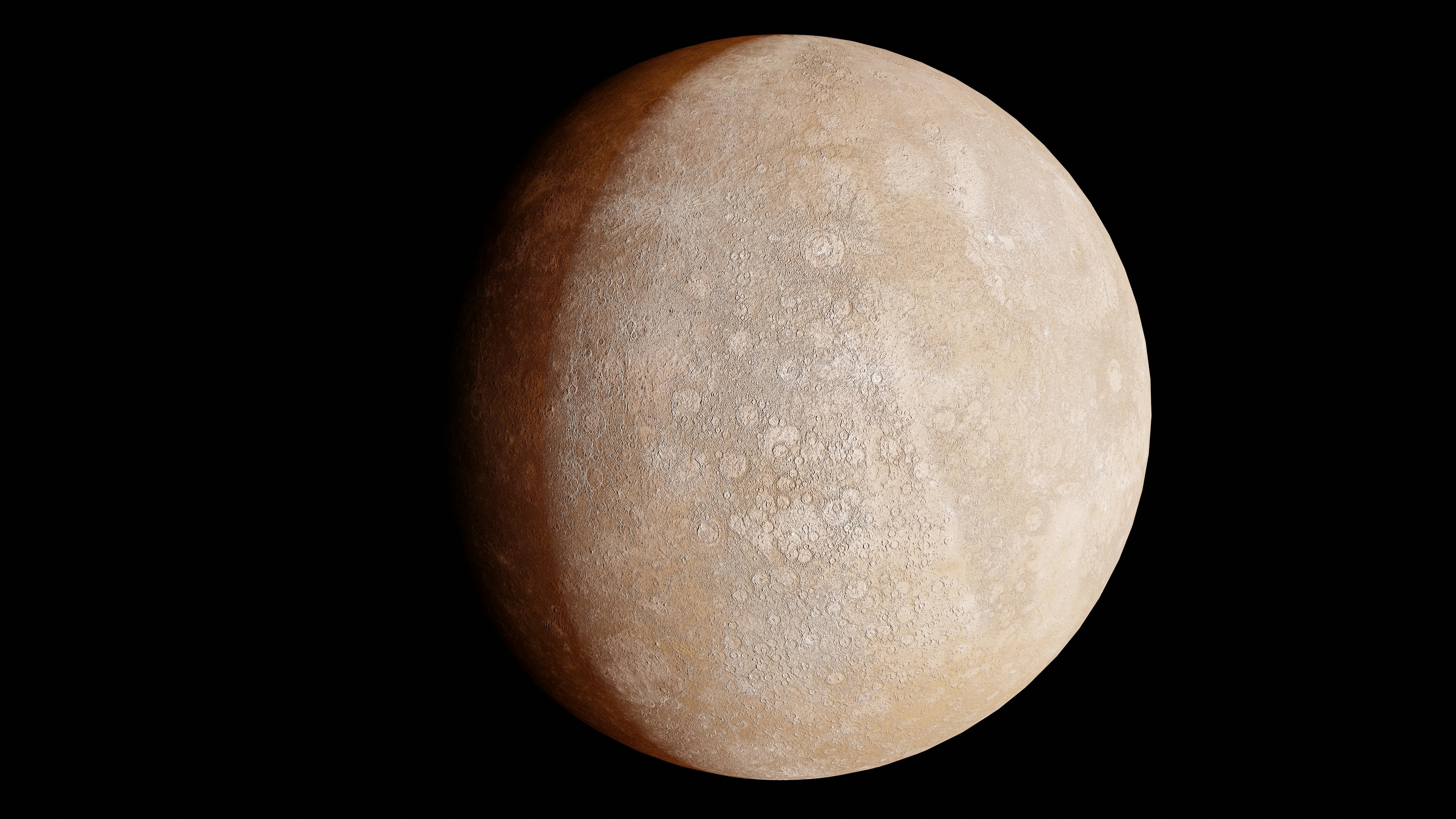
Explore the eight incredible planets that orbit our Sun and learn what makes each world different—from rocky terrestrial planets to enormous gas giants.
Read More
Learn how planets formed over 4.6 billion years ago from clouds of gas and dust, eventually becoming the diverse worlds we study today.
Explore
Discover upcoming missions to Mars, Europa, Titan, and distant exoplanets as humanity continues its quest to understand the cosmos.
Learn MoreA planet is a celestial body that orbits a star and has enough gravity to become nearly spherical. In our solar system, there are eight recognized planets, each with unique characteristics, atmospheres, and geological histories. These incredible worlds have fascinated humanity for thousands of years and continue to be explored through powerful telescopes and ambitious space missions.
Mercury, Venus, Earth, and Mars are known as terrestrial planets because they have solid, rocky surfaces. Earth is currently the only known planet capable of supporting life, while Mars remains one of the most promising candidates for future human exploration.
Jupiter and Saturn are gas giants, whereas Uranus and Neptune are classified as ice giants. These massive planets possess thick atmospheres, spectacular ring systems, and dozens of fascinating moons that continue to intrigue scientists around the world.
Studying planets helps us understand the origins of our solar system, the evolution of Earth, climate systems, and the possibility of life elsewhere in the universe. Every new discovery expands our knowledge and brings humanity one step closer to answering one of our oldest questions: Are we alone?